
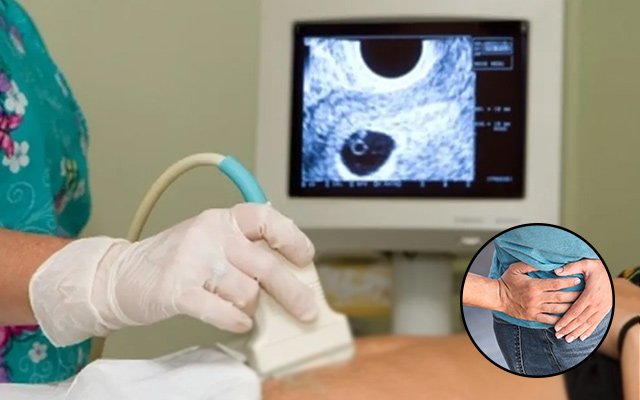
You have pelvic pain, so your doctor recommends an ultrasound. The report comes back “normal”—yet the pain is still very real.
Naturally, this can leave you wondering, “Why do I have pelvic pain if my ultrasound is normal?”
A normal scan is reassuring because it means no obvious structural abnormality was detected. However, it does not mean that every possible cause of pain has been ruled out. Endometriosis, pelvic-floor muscle problems, bladder conditions, bowel disorders, nerve irritation and cycle-related pain may not always appear on a routine scan.
Let me explore what could be happening and what you should do next.
My Pelvic Ultrasound Was Normal—Why Am I Still in Pain?
Pelvic pain can come from several closely connected organs and tissues. The reproductive organs, bladder, bowel, pelvic-floor muscles, nerves, joints and lower abdominal wall all occupy the same general area.
Understanding a Normal Pelvic Ultrasound Result
A pelvic ultrasound uses sound waves to examine structures such as the:
- Uterus
- Ovaries
- Endometrial lining
- Cervix
- Fallopian-tube region
- Surrounding pelvic tissues
It may help identify ovarian cysts, larger fibroids, certain uterine abnormalities, pregnancy-related conditions and visible pelvic masses.
However, “normal” means that no clear abnormality was seen during that particular examination. It does not necessarily mean that there is no inflammation, muscle spasm, nerve sensitivity or early-stage disease.
Conditions a Routine Pelvic Ultrasound May Not Detect
What can a pelvic ultrasound miss? Routine imaging may not clearly detect:
- Small or superficial endometriosis deposits
- Pelvic-floor muscle tightness
- Bladder pain syndrome
- Irritable bowel syndrome
- Constipation-related pain
- Pelvic nerve irritation
- Scar tissue or subtle adhesions
- Musculoskeletal pain
- Some early inflammatory conditions
Therefore, experiencing pelvic pain with a normal scan is not unusual. Your symptoms still deserve a proper clinical assessment, particularly when the pain is persistent, recurrent or interfering with daily life.
Possible Causes of Pelvic Pain Despite a Normal Ultrasound
When someone has a normal ultrasound but still pelvic pain, the next step is not to repeat the same test indefinitely. The investigation should be guided by the nature, timing and triggers of the pain.
Endometriosis That Does Not Appear on Ultrasound
Endometriosis occurs when tissue similar to the lining of the uterus grows elsewhere in the pelvis. It commonly causes pain before or during periods, discomfort during sex and pain while passing urine or stool.
Can endometriosis be missed on ultrasound? Yes. A routine ultrasound may identify an ovarian endometrioma or certain forms of deep endometriosis, but small, flat or superficial deposits may remain invisible.
Clues may include:
- Period pain that becomes progressively worse
- Pain lasting beyond the first one or two days of menstruation
- Pelvic pain during or after sex
- Painful bowel movements during periods
- Bladder discomfort that worsens during menstruation
- Difficulty becoming pregnant
If you experience any of these symptoms, it’s time to explore endometriosis treatment options, including medication, hormone therapy, pain management, and minimally invasive laparoscopic surgery when needed.
Tight or Overactive Pelvic-Floor Muscles
The pelvic floor is a group of muscles supporting the bladder, uterus, vagina and bowel. These muscles need to tighten and relax at the right times.
When they remain excessively tight or go into spasm, they can cause pain even though the pelvic organs look normal on ultrasound.
Pelvic floor dysfunction symptoms in women may include:
- A feeling of pressure or heaviness
- Pain during penetration
- Difficulty starting urination
- Incomplete bladder emptying
- Constipation or straining
- Pain after sitting for long periods
- Lower-back, hip or groin discomfort
Bladder Pain Syndrome Without a Urinary Infection
Pelvic pain and frequent urination with no UTI may point towards bladder pain syndrome, also called interstitial cystitis.
The condition can cause:
- Pain in the lower abdomen or bladder area
- Frequent urination in small amounts
- An urgent need to urinate
- Pain as the bladder fills
- Temporary relief after urinating
- Discomfort during sex
- Night-time urination
Unlike a bacterial urinary infection, urine cultures may repeatedly show no infection. Symptoms can fluctuate and may worsen after certain foods, drinks, stress or hormonal changes. Women experiencing persistent urinary pressure or bladder-related pelvic discomfort may require urogynecology treatment for bladder-related pain.
IBS, Constipation and Other Bowel-Related Causes
The bowel lies close to the reproductive organs. Bowel problems can therefore feel very similar to ovarian, uterine or menstrual pain.
Irritable bowel syndrome may cause:
- Cramping
- Bloating
- Constipation
- Diarrhoea
- Pain that improves after passing stool
- Symptoms triggered by particular foods or stress
Severe constipation may also place pressure on the pelvic floor and cause lower-abdominal discomfort. Some women notice pelvic pain during bowel movements without realising that bowel function may be contributing.
Pelvic Adhesions, Trapped Nerves and Musculoskeletal Pain
Pelvic adhesions are bands of scar tissue that may develop after surgery, infection or inflammation. They do not always appear clearly on routine imaging.
Similarly, pain may originate from:
- Irritated pelvic nerves
- Previous caesarean-section or abdominal scars
- Hip-joint problems
- Lower-back conditions
- Abdominal-wall muscle strain
- Poor posture
- Sacroiliac-joint dysfunction
Pain that can be reproduced by pressing on a muscle, moving the hip or changing sitting position may require a combined gynaecological and physiotherapy assessment.
Ovulation Pain and Menstrual-Cycle-Related Symptoms
Some women experience one-sided pelvic pain around ovulation. This may occur when an ovary releases an egg.
Abnormal menstruation and cycle-related pain may:
- Occur midway between periods
- Affect one side
- Last from a few minutes to one or two days
- Alternate sides in different cycles
- Be accompanied by mild spotting or discharge
Symptom Patterns That May Help Identify the Cause
The location of the pain matters, but its timing and triggers can be even more useful. Instead of only saying, “My pelvis hurts,” notice what happens immediately before the pain begins.
Pelvic Pain Before or During Periods
Pain that consistently starts before menstruation or becomes worse during periods may indicate:
- Endometriosis
- Primary dysmenorrhoea
- Adenomyosis
- Pelvic-floor muscle tension
- Bowel symptoms affected by hormonal changes
Pelvic Pain During or After Sex
Pelvic pain during or after sex may be associated with endometriosis, pelvic-floor muscle spasm, vaginal dryness, infection, ovarian conditions or deeper pelvic tenderness.
Pelvic Pain With Frequent Urination or Bladder Pressure
This pattern may point towards bladder pain syndrome, pelvic-floor dysfunction or some urinary condition.
Pelvic Pain During Bowel Movements
Pain while passing stool may occur with constipation, anal or rectal problems, pelvic-floor dysfunction, IBS or bowel-related endometriosis.
The connection with your menstrual cycle is important. Pain that becomes noticeably worse during periods deserves a gynaecological assessment.
One-Sided Pelvic Pain
One-sided pelvic pain with a normal ultrasound may be related to ovulation, muscular strain, nerve irritation, bowel spasm or an ovarian abnormality that was not visible during the scan.
Sudden and severe one-sided pain, particularly with nausea, vomiting, faintness or possible pregnancy, needs urgent evaluation.
Pelvic Pain That Worsens While Sitting
Pain aggravated by prolonged sitting may involve:
- Tight pelvic-floor muscles
- Tailbone pain
- Hip or lower-back problems
- Previous scar tissue
- Poor sitting posture
The pain may improve when standing, walking or lying down. Mentioning these positional changes can help your doctor consider causes beyond the reproductive organs.
Next Steps After a Normal Pelvic Ultrasound
Persistent or chronic pelvic pain with normal tests may require a broader approach involving gynaecology, urology, gastroenterology, pain medicine or pelvic-health physiotherapy.
Your doctor may recommend chronic pelvic pain treatment based on the most likely cause.
Information to Share With Your Gynaecologist
Prepare details about:
- When the pain began
- Where it is located
- Whether it is one-sided or central
- How long each episode lasts
- Its relationship with periods
- Whether sex, urination or bowel movements trigger it
- Changes in menstrual bleeding
- Bloating, constipation or diarrhoea
- Urinary urgency or frequency
- Previous surgery, infection or pregnancy
- Medicines already tried
- The effect on sleep, work and daily activities
Be specific. Saying, “The pain starts two days before my period and becomes sharper during bowel movements” is more informative than saying, “I sometimes have stomach pain.”
Further Evaluation With Specialist Ultrasound, MRI or Laparoscopy
Depending on your symptoms, further evaluation may include:
- A detailed pelvic examination
- Urine or vaginal tests
- Pregnancy testing
- Blood tests
- Specialist transvaginal ultrasound
- Pelvic MRI
- Gastrointestinal evaluation
- Pelvic-floor assessment
- Diagnostic laparoscopy
Tracking Symptoms With a Pelvic-Pain Diary
A symptom diary can reveal patterns that are difficult to remember during an appointment.
For at least four to eight weeks, record:
- Pain location
- Pain score from 0 to 10
- Menstrual-cycle day
- Bleeding or discharge
- Urinary symptoms
- Bowel symptoms
- Sexual activity
- Meals or possible food triggers
- Exercise and sitting duration
- Medicines taken
- What improved or worsened the pain
The pattern may help distinguish cycle-related pain from bladder, bowel, muscular or nerve-related symptoms.
Warning Signs That Require Urgent Medical Attention
Seek urgent medical care when pelvic pain is accompanied by:
- A positive pregnancy test
- Sudden, severe or rapidly worsening pain
- Fainting, weakness or dizziness
- Heavy vaginal bleeding
- Fever or chills
- Persistent vomiting
- A rigid or swollen abdomen
- Shoulder-tip pain with possible pregnancy
- Blood in the urine or stool
- Inability to urinate
- Unexplained weight loss
- New pain after menopause
These symptoms can sometimes indicate an ectopic pregnancy, ovarian torsion, severe infection, internal bleeding, bowel problems or another condition requiring prompt treatment.
The Bigger Picture Behind Pelvic Pain
Ultrasound is valuable for identifying many structural problems, but it cannot detect every possible cause. Endometriosis, pelvic-floor dysfunction, bladder pain syndrome, bowel conditions, adhesions, irritated nerves and musculoskeletal problems may all cause unexplained pelvic pain in women.
Pay attention to when the pain occurs, what triggers it and whether it is linked to menstruation, sex, urination, bowel movements or sitting.
If you are frequently experiencing lower abdominal pain even after a normal ultrasound, its time to seek medical guidance.
Consult Dr Smita Jadhav, a reputed gynecology doctor in Salt Lake.
Frequently Asked Questions
Can you still have endometriosis if your ultrasound is normal?
Yes. Small or superficial endometriosis deposits may not appear on a routine ultrasound. A normal scan does not exclude endometriosis when symptoms such as severe period pain, painful sex or cycle-related bowel and bladder discomfort continue.
Does a normal pelvic ultrasound rule out serious conditions?
It reduces the likelihood of several visible structural abnormalities, but it does not rule out every condition. Persistent pain, unusual bleeding, weight loss, fever, urinary symptoms or worsening discomfort should be evaluated further.
Why do you have lower-abdominal pain if your tests are normal?
The pain may come from pelvic-floor muscles, the bladder, bowel, nerves, scar tissue, the abdominal wall or the lower back. Some gynaecological conditions, including endometriosis, may also be present despite normal initial tests.
Which doctor treats unexplained pelvic pain?
A gynaecologist is usually a suitable first point of contact. Depending on the suspected cause, care may also involve a urogynecologist, urologist, gastroenterologist, pelvic-health physiotherapist, pain specialist or musculoskeletal expert.