
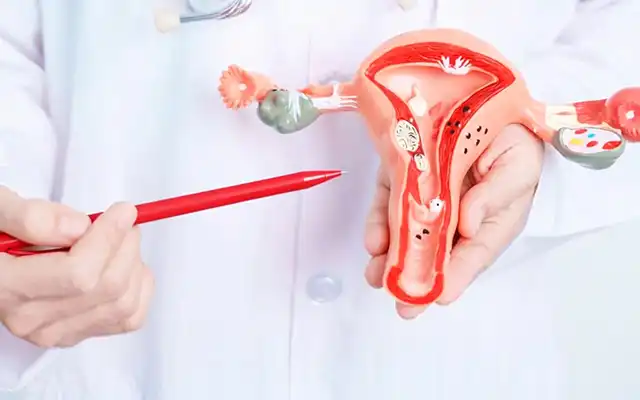
Insulin talks too loudly. Androgens respond too strongly. Ovulation gets confused.
The result? Periods, weight, skin, and mood all start changing at once. PCOS may be the cause.
Understanding the Hormonal Changes Behind PCOS
This blog explains the reasons behind the changes you are noticing with PCOS. It also highlights how hormones are being affected due to PCOS.
What PCOS actually is (and what it isn’t)
PCOS is a hormonal and metabolic disorder that affects ovulation, insulin function, and hormone balance. It is not simply a condition of “ovarian cysts.”
This is often the most confusing part for women. Many hear the word cysts and assume that’s the whole story. In reality, PCOS has much more to do with how the body regulates hormones and sugar than what appears on an ultrasound.
Medically, PCOS is identified by a combination of
- Hormonal imbalance in PCOS, especially higher androgen levels
- Disrupted or irregular ovulation
- Metabolic involvement, particularly how the body handles sugar and insulin
When these factors interact, symptoms appear across the body, not just in the ovaries.
Before looking at common misconceptions, it helps to clearly separate what PCOS is not from what it actually involves.
| Common myth | Medical reality |
| PCOS means ovarian cysts only | Hormones and insulin imbalance play the main role |
| PCOS is temporary | It requires long-term monitoring and care |
| PCOS only affects fertility | It also affects mood, weight, skin, and overall health |
Why PCOS feels like “everything is out of sync”
PCOS is driven by excess androgens, insulin resistance, and irregular ovulation. These three interact, triggering a cascade of symptoms throughout the body.
How this imbalance shows up in daily life
One day, there is a missed period. A few weeks later, the acne doesn’t settle. Then clothes start fitting differently, sleep feels lighter, and moods swing without warning.
Many women say, “I thought I was just stressed,” until these changes keep repeating.
What makes PCOS confusing is how ordinary each symptom seems on its own and how overwhelming they feel when they arrive together.
Common day-to-day experiences
- Periods that arrive late, skip months, or suddenly become heavy
- Weight gain despite eating normally
- Persistent acne or unexpected facial hair
- Hair thinning or increased hair fall
- Low energy, brain fog, or emotional ups and downs
To make this easier to understand, here’s how common daily experiences connect to what’s happening:
| What you notice daily | What’s happening inside |
| Irregular cycles | Ovulation is inconsistent |
| Cravings and fatigue | Insulin isn’t working efficiently |
| Skin and hair changes | Androgen levels are elevated |
| Mood shifts | Hormones affecting brain chemistry |
How PCOS changes your hormones
In PCOS, the hormones that control ovulation, sugar use, and stress stop working in balance. When this happens, symptoms don’t stay limited to one area; they spread across the body.
This hormonal shift explains why PCOS affects skin, hair, weight, periods, and even emotions. To understand it clearly, let’s look at each hormone group one by one.
Androgens: why acne, facial hair, and hair thinning happen
When androgen levels rise, oil glands and hair follicles become more active than they should. This is often one of the earliest visible signs.
Women often notice
- Jawline or chin acne that doesn’t settle
- Hair growth on the chin or upper lip
- Hair thinning near the scalp crown
| Androgen effect | Visible change |
| Excess oil production | Persistent acne |
| Hair follicle sensitivity | Facial hair |
| Weakening scalp follicles | Hair fall |
Insulin resistance
Insulin resistance in PCOS means the body needs more insulin to manage sugar. This pushes the body toward fat storage and frequent hunger.
Common signs
- Sugar cravings
- Energy crashes after meals
- PCOS weight gain or belly fat
Stress hormones and inflammation
Ongoing stress raises cortisol levels. High cortisol worsens insulin resistance and can trigger symptom flare-ups, especially during emotionally demanding phases.
What PCOS does to periods and ovulation
PCOS disrupts ovulation, which leads to irregular, delayed, or sometimes absent periods.
For many women, this is the first sign, but it’s often ignored or normalised. Understanding why this happens can reduce confusion and worry.
Why periods become irregular, delayed, or absent
Periods can become irregular, delayed, or absent when the body’s hormonal balance is thrown off. Stress, sudden weight changes, or intense exercise can disrupt the hypothalamus, the brain’s control centre for the menstrual cycle, causing periods to shift or stop.
Irregular periods, PCOS signs include
- Cycles longer than 35 days
- Fewer than 8 periods in a year
Why bleeding may be heavy or unpredictable
When periods finally occur after long gaps, the uterine lining may shed more heavily.
| Cycle pattern | What it means |
| Long gaps between periods | Missed ovulation |
| Heavy or prolonged bleeding | Thickened uterine lining |
Can you have PCOS with “normal” periods?
Yes. Some women still ovulate irregularly even if their cycles appear regular on the calendar.
As a PCOS doctor in Salt Lake, Dr Smita Jadhav helps women understand and manage hormonal imbalance with clarity.
What PCOS does to weight
Weight gain in PCOS is driven by hormones and insulin, not by lack of effort or discipline.
Many women feel frustrated because they are eating normally yet seeing changes. This section explains why that happens.
Why does weight gain happen even with “normal eating”
Insulin affects hunger signals and how the body stores fat. In PCOS, this system becomes inefficient.
Women often report
- Weight gain despite portion control
- Fat is collecting around the abdomen
Lean PCOS: why weight isn’t the only marker
Some women remain lean but still experience PCOS symptoms, in women such as acne, irregular periods, or hair issues.
What are the symptoms of PCOS?
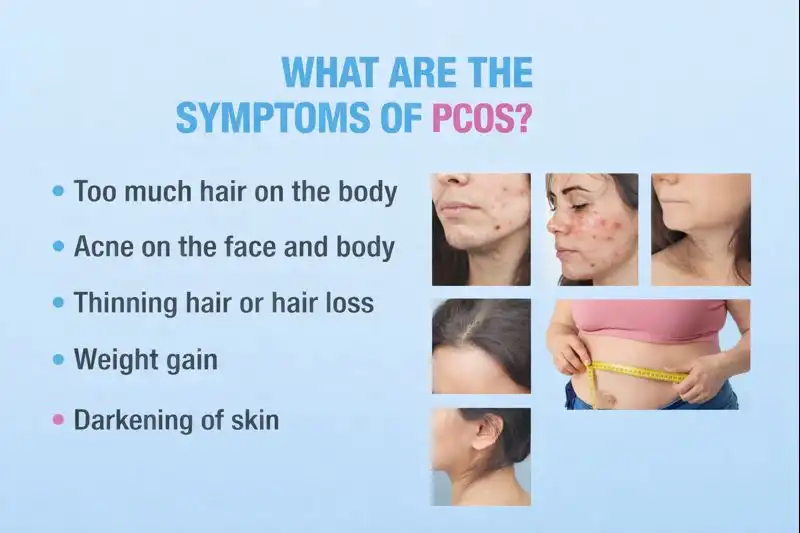
PCOS commonly causes irregular or missed periods along with hormonal changes such as acne and excess facial or body hair.
Hormonal changes in PCOS affect brain chemistry, which can influence mood, sleep, and emotional resilience.
Let’s delve into it :
- Too much hair on the body
PCOS can increase levels of male hormones, which may cause unwanted hair growth on the face, chest, abdomen, or thighs.
- Acne on the face and body
Hormonal imbalance in PCOS makes the skin produce more oil, leading to frequent breakouts.
- Thinning hair or hair loss
While body hair may increase, scalp hair can become thinner due to hormone sensitivity. Hair loss is usually noticed over time near the crown or front of the scalp.
- Weight gain
PCOS affects how the body uses insulin, making weight gain easier and weight loss harder.
- Darkening of skin
This is linked to insulin resistance and is a common but often overlooked sign of PCOS.
How Is PCOS Diagnosed?
PCOS diagnosis is based on a combination of symptoms, blood tests, and imaging. Many women wonder if an ultrasound alone is enough. It helps, but it is only one part of the full evaluation.
History and symptoms checklist
Doctors review menstrual cycle patterns, acne, excess hair growth, weight changes, and family history to understand the bigger picture.
Ultrasound
PCOS diagnosis tests, such as ultrasound and hormone tests, help assess ovarian appearance, but an ultrasound by itself cannot confirm PCOS.
Blood tests explained simply
Doctors usually assess:
- Hormone levels
- Sugar and insulin markers
- Cholesterol levels
When YoPCOS doctor in Salt Lakeur Menstrual Cycle Loses Its Rhythm
Irregular periods are a signal, not a flaw. When stress, weight shifts, or intense exercise disturb the hormonal communication between the brain and ovaries, the menstrual cycle loses its rhythm. Identifying this early helps prevent long-term complications and brings reassurance that your body can be supported, not judged.
Seeing PCOS as a Hormonal Pattern, Not Just Symptoms
PCOS is not just about irregular periods or cysts; it is a complex hormonal and metabolic imbalance affecting ovulation, insulin, weight, skin, and mood. When insulin resistance and excess androgens interact, the entire body feels “out of sync.”
Book a consultation with Dr Smita Jadhav, PCOS doctor in Salt Lake. Call at +91 97488 25624 today.
People Also Ask
How does PCOS affect hormones and mood?
PCOS alters estrogen, progesterone, and insulin levels, which directly influence brain chemistry and emotional stability.
What colour is PCOS bleeding?
Bleeding may appear dark brown or very heavy due to delayed shedding of the uterine lining.
What happens if PCOS is left untreated?
Untreated PCOS increases risks of diabetes, heart issues, infertility, and uterine problems.
What is the first sign of PCOS?
The first sign of PCOS is irregular or delayed periods.
Can you get pregnant with PCOS?
Yes. Many women conceive naturally or with guided treatment.